A Quick Look at G6PD Deficiency
G6PD deficiency affects at least 400 million people worldwide. What it is, what triggers it, and what parents of an affected child should do.
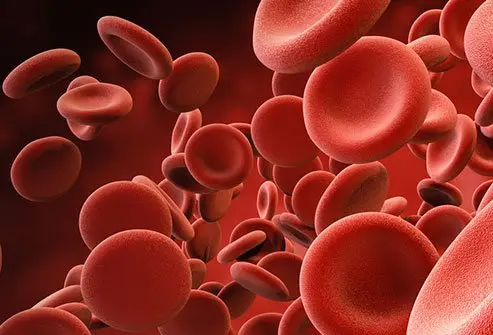
Glucose-6-Phosphate Dehydrogenase (G6PD) deficiency is the most common human enzyme defect, affecting at least 400 million people worldwide. It is a sex-linked genetic disorder, predominantly affecting males. Children inherit this abnormality from their parents. Just like other common abnormal haemoglobin diseases such as sickle cell disease and beta-thalassaemia, G6PD deficiency has been linked geographically with the global distribution of malaria.
What happens in G6PD deficiency
In people with G6PD deficiency, the red blood cells do not make enough G6PD, or they make the enzyme with diminished activity. This enzyme is involved in the pentose phosphate pathway and is essential for the survival of red blood cells. It does so by protecting red cells from substances in the blood that could destroy them.
Without enough G6PD to protect them, the red blood cells break apart. This is called haemolysis. When many red blood cells are destroyed, a person can develop haemolytic anaemia. This can lead to tiredness, dizziness, jaundice and other symptoms.
Common triggers of haemolysis
Red blood cells that don’t have enough G6PD are sensitive to some medicines, foods and infections, including:
- Infections, such as bacterial and viral infections
- Some drugs (most often those containing sulphur)
- Fava beans
- Naphthalene balls (camphor)
What should parents do?
The best way to care for a child with G6PD deficiency is to limit exposure to anything that triggers symptoms. Children showing signs of haemolytic anaemia should be brought to the hospital, and over-the-counter medication should be avoided.
Get a G6PD card, which contains instructions and a list of medicines that could be a problem for a child with G6PD deficiency.
First published in the St. Elizabeth Catholic Hospital Newsletter, Maiden Edition (2022).
Comments
Comments are read by hospital staff before they appear. Please don’t share personal medical details here. Call us on 032 229 8428 instead.
Loading comments…
More from SECH
All stories News
NewsMrs Gladys Bediako Honoured at the 6th Nursing and Midwifery Excellence Awards
Our Nurse Manager, Mrs Gladys Bediako, has been recognised by the Ministry of Health in the Leadership and Governance Category of the 6th Nursing and Midwifery Excellence Awards.
Read story News
NewsStaff Fire Drill with the Ghana National Fire Service
The Asutifi South office of the GNFS trained our staff to respond to fire and electrical emergencies, with hands-on practice using extinguishers.
Read story News
NewsSt. Elizabeth in the Community: 935 People Screened in Five Communities
Our outreach programme screened 935 people, including inmates of the Kenyasi Prisons, for blood pressure, blood sugar and weight in the first half of 2022.
Read story