October Is Breast Cancer Awareness Month: Free Breast Screening at St. Elizabeth
It’s Pink October. St. Elizabeth Catholic Hospital is offering free breast screening at the OPD all month. Early detection saves lives.
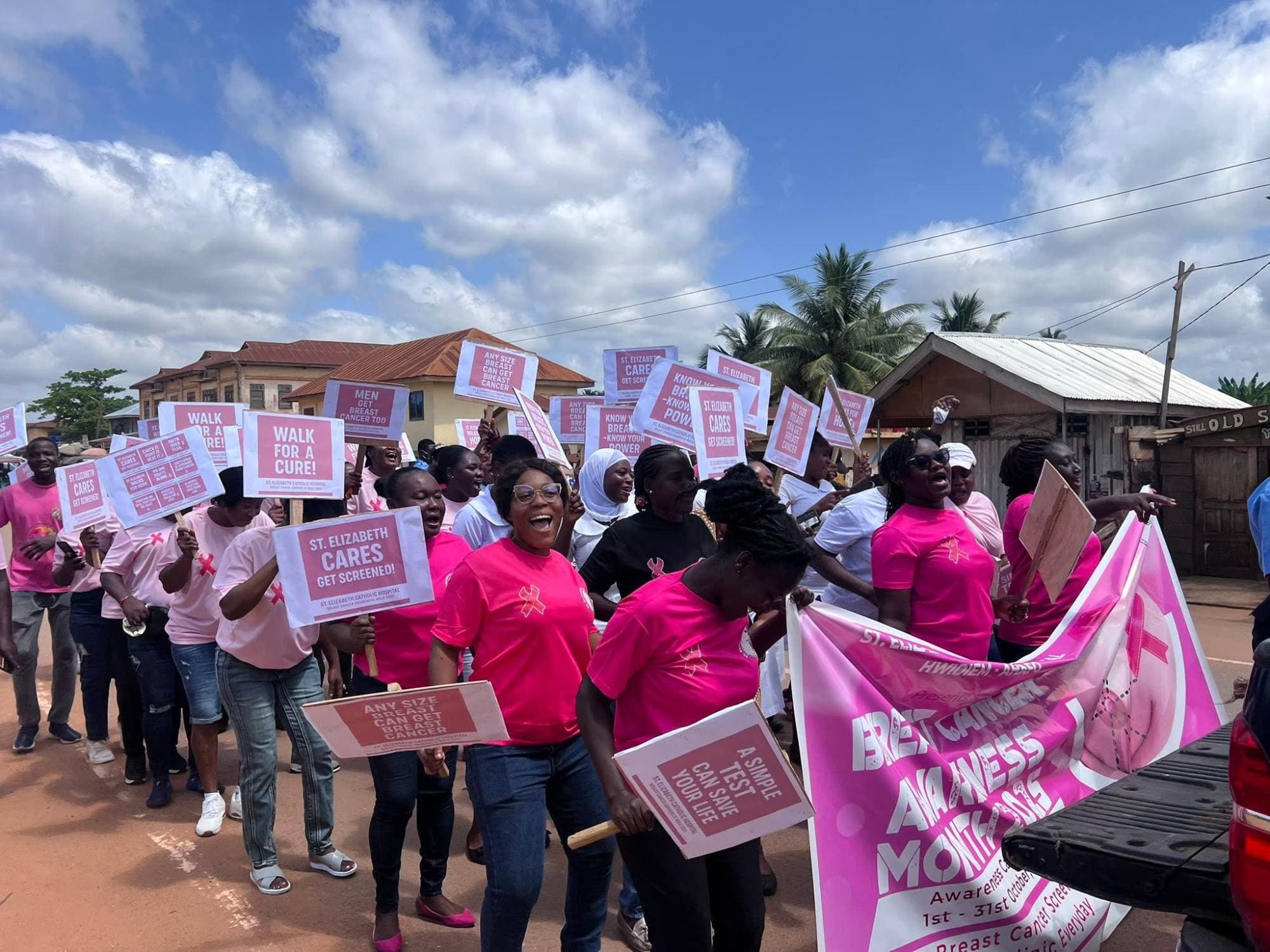
Theme: United for a breast cancer-free Ghana: early detection, early action, better outcome.
October is Breast Cancer Awareness Month, the Pink Month. St. Elizabeth Catholic Hospital, Hwidiem has stepped up its campaign against breast cancer with a series of awareness and screening activities aimed at saving more lives in the Asutifi South District.
As part of Ghana’s national Breast Cancer Awareness Month, the hospital is running community programmes throughout October, including a float, visits to churches and schools and free breast screening at the hospital’s Out-Patient Department (OPD).
Free screening all through October
We encourage every woman in Hwidiem, Kenyasi, Goaso and the surrounding communities to come for a free breast screening at our OPD at any time this month. It is quick and it could save your life.
Breast cancer in Ghana: the key facts
- Breast cancer is the leading cancer among women in Ghana, accounting for about 30 to 32% of all cancers in women.
- An estimated 4,650 to 5,000 new cases are recorded in Ghana each year, and nearly 2,060 women die from the disease.
- Survival rates are high when breast cancer is found and treated early.
- Most breast lumps are not cancer. Those that are, can be treated far more successfully when they are found before they spread to the lymph nodes.
What is breast cancer?
Breast cancer is the uncontrolled growth of cells in the breast, forming tumours. It usually begins in the milk ducts or the milk-producing lobules. At first it is not life-threatening and can be detected early, but over time it invades the nearby breast tissue.
If it is not treated, it can spread to the nearby lymph nodes and then to other organs such as the lungs, liver, brain and bones, where it becomes life-threatening. Treatment is planned for each person, depending on the type of cancer and how far it has spread, and combines surgery, radiotherapy and medicines.
Who is at risk?
Being a woman is the biggest risk factor: about 99% of breast cancers occur in women, and 0.5 to 1% in men. Other risk factors include:
- Increasing age
- Obesity
- Harmful use of alcohol
- A family history of breast cancer
- Reproductive history, such as starting periods early (before age 12) and age at first pregnancy
- Tobacco use, and hormone therapy after menopause
- Past exposure to radiation
Note: although family history is a risk factor, most women diagnosed with breast cancer have no family history of the disease.
Signs to look out for
Often the first sign is found in the armpit, where the breast’s lymph nodes are. Lymph nodes affected by cancer can sometimes be felt there. Watch for:
- A lump or thickening in the breast, often without pain
- A change in the size, shape or appearance of a breast
- Dimpling, redness, pitting or other changes in the skin
- A change in the nipple, or in the skin around it (the areola)
- Unusual or bloody fluid from the nipple
- Swollen lymph nodes in the armpit
- In later stages, bone pain or headaches, when the cancer has spread to other organs
A message from our Breast Cancer Coordinator
Ms Debora Adu Asante
Self-medication is not the solution to fighting breast cancer. Once you notice any strange change in your breast, please visit the hospital for proper care.
Early diagnosis and screening at St. Elizabeth
Early diagnosis means knowing the signs and symptoms of breast cancer, seeking medical advice for anything unusual, and getting timely examination, diagnosis and referral for treatment.
Screening helps find breast cancer before it causes symptoms:
- Breast self-examination every month, about 5 days after your period
- A visit to the breast cancer clinic at St. Elizabeth Hospital, Hwidiem, twice a year
- Mammography, usually for women aged 50 to 69
Treatment
Treatment depends on the type of breast cancer and its stage. It may include:
- Surgery to remove the tumour: lumpectomy (removing the lump) or mastectomy (removing the breast)
- Radiotherapy
- Medicines to kill the cancer cells: chemotherapy, hormonal therapy and targeted biological therapy
Treatment works best when it is started early and taken to completion. Stopping part-way makes a good outcome much less likely.
Breast cancer can cause sores that are not painful, so any woman with a breast wound that does not heal should come to the hospital promptly for a biopsy.
Preparing the body between diagnosis and treatment, through exercise, a good diet and nutritional supplements, and psychological support, has been proven to reduce complications.
Our commitment
To win the fight against breast cancer in Asutifi South, efforts must be intensified. St. Elizabeth Catholic Hospital, Hwidiem, is committed to providing curative, preventive, promotive, rehabilitative and diagnostic services to all.
Early detection, early action, better outcome.
For enquiries, please visit the OPD or the Labour Ward, or contact us.
Prepared by Ms. Debora Adu Asante, Breast Cancer Coordinator and the team, St. Elizabeth Catholic Hospital, Hwidiem.
Photos: our Pink October awareness walk, October 2025.
Comments
Comments are read by hospital staff before they appear. Please don’t share personal medical details here. In an emergency, call 050 870 5607, day or night.
Loading comments…
More from SECH
All stories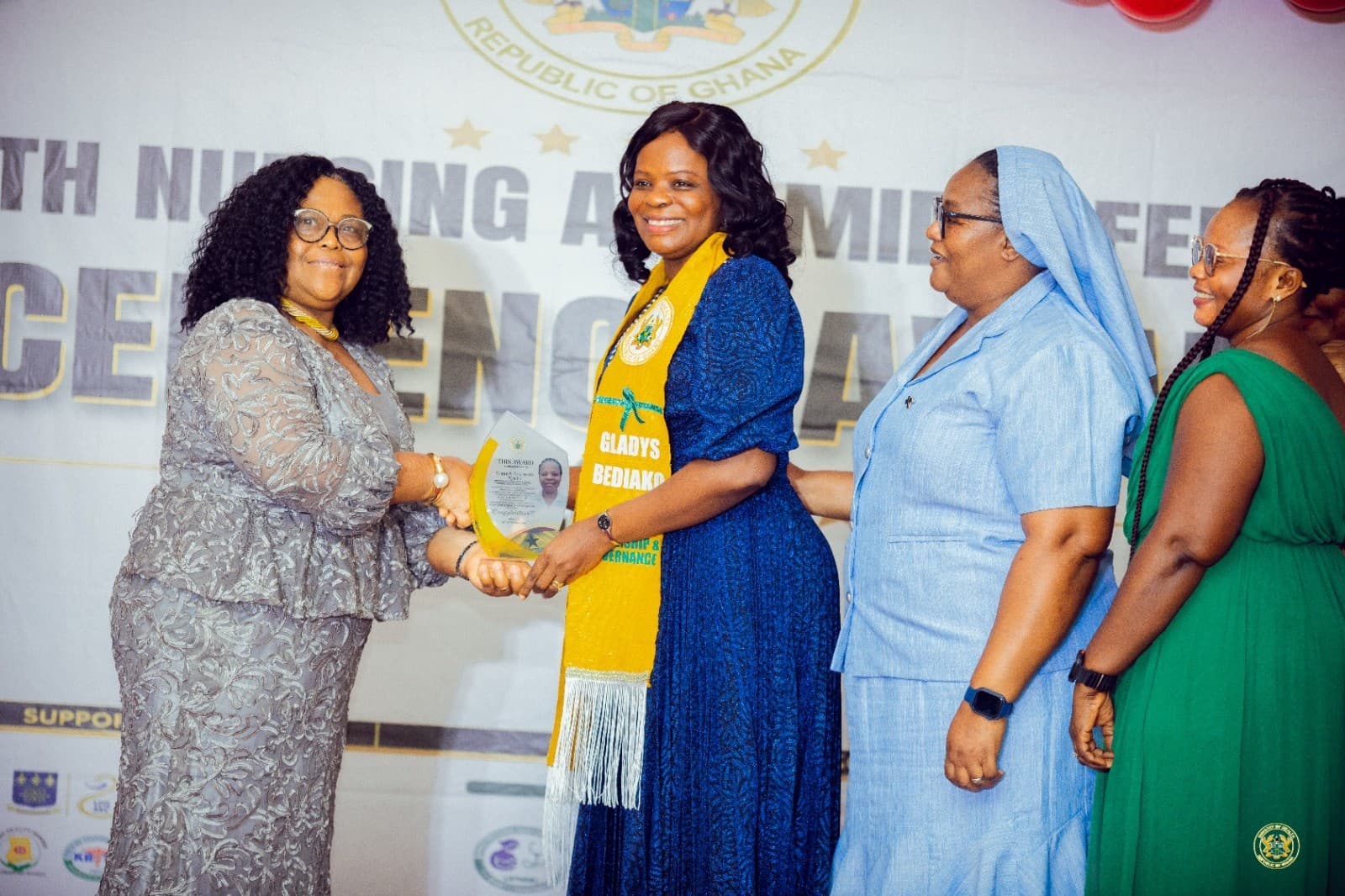 News
NewsMrs Gladys Bediako Honoured at the 6th Nursing and Midwifery Excellence Awards
Our Nurse Manager, Mrs Gladys Bediako, has been recognised by the Ministry of Health in the Leadership and Governance Category of the 6th Nursing and Midwifery Excellence Awards.
Read story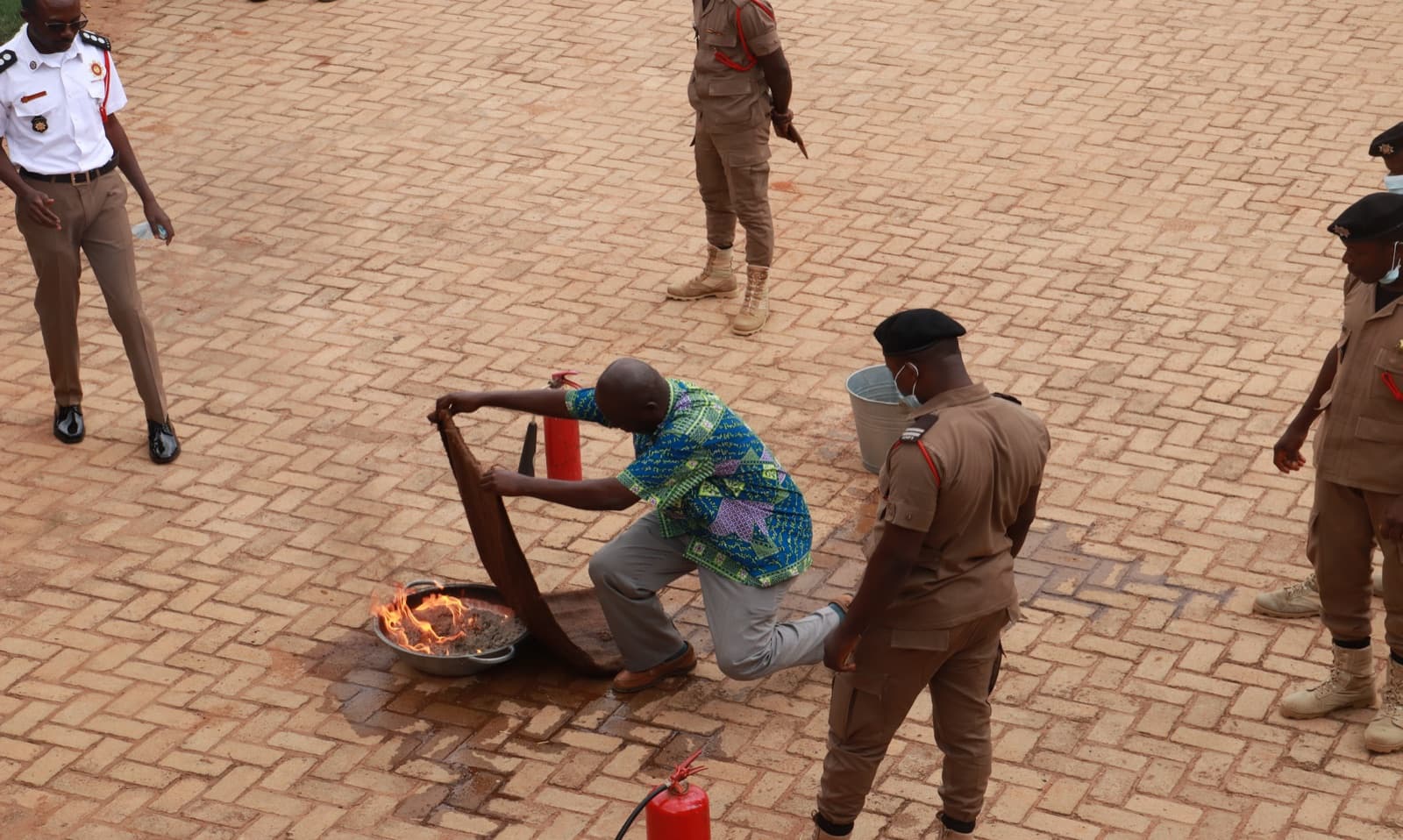 News
NewsStaff Fire Drill with the Ghana National Fire Service
The Asutifi South office of the GNFS trained our staff to respond to fire and electrical emergencies, with hands-on practice using extinguishers.
Read story Blog
BlogA Quick Look at G6PD Deficiency
G6PD deficiency affects at least 400 million people worldwide. What it is, what triggers it, and what parents of an affected child should do.
Read story